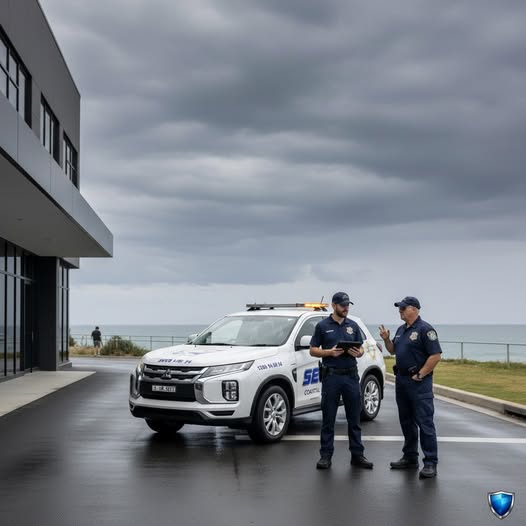
Construction sites are high-value targets. Here's a practical guide to layered security that protects your equipment and your timeline.
Related Services
Construction sites are high-risk environments. They contain valuable equipment, tools, materials and temporary infrastructure that can be difficult to secure after hours.
Unlike finished commercial buildings, construction sites often have open access points, changing layouts and incomplete physical barriers. This makes them attractive targets for theft, vandalism and unauthorised access.
For builders, project managers and site supervisors on the Central Coast, construction site security should be planned early. Waiting until an incident occurs can lead to costly delays, insurance claims and safety concerns.
Coastal Protection Services provides security support for businesses, commercial sites and construction projects across the Central Coast.
Securing a Construction Site: What Works and What Does Not
Securing a construction site takes more than locking a gate at the end of the day. A good security plan uses several layers of protection.
The right approach depends on the site size, location, project stage and value of assets onsite. A small renovation site may need basic patrols and signage. A larger commercial build may need patrols, cameras, alarm monitoring and temporary guarding.
This guide explains what works, what does not, and how Central Coast construction sites can reduce after-hours risk.
Why Construction Sites Are High-Value Targets
Construction sites often contain items that are easy to steal and resell. Tools, copper wiring, generators, batteries, fuel, appliances and building materials can all be targeted.
Plant and equipment can also be vulnerable. Even when large machinery cannot be removed, parts, fuel and attachments may still be stolen.
Construction sites are also attractive because they may be empty overnight, on weekends and during public holidays. This gives intruders more time to enter, search the site and leave before the theft is discovered.
A single break-in can create several problems at once:
- Stolen tools or equipment
- Damage to fencing, locks or gates
- Project delays
- Replacement costs
- Insurance claims
- Lost productivity
- Safety risks from damaged areas
- Extra pressure on site managers and subcontractors
For many builders, the cost of delay can be just as frustrating as the theft itself.
Common Security Risks on Construction Sites
Every site is different, but many construction sites face similar risks.
Theft of Tools and Equipment
Tools are a common target because they are portable and valuable. Power tools, hand tools, batteries, chargers and specialist equipment should never be left unsecured.
Theft of Materials
Building materials can also be targeted. Copper, timber, steel, fittings, appliances and electrical products may be stolen if they are left exposed.
Fuel Theft
Fuel theft can affect machinery, generators and vehicles. It can also delay work if equipment cannot be used the next morning.
Vandalism
Vandalism can include graffiti, broken windows, damaged fencing, smashed lights or interference with temporary site facilities.
Unauthorised Access
Unauthorised access creates safety and liability risks. Members of the public, teenagers or trespassers may enter the site and injure themselves.
After-Hours Loitering
Construction sites can attract loitering after hours, especially if the site is poorly lit or close to public areas.
Arson Risk
Temporary materials, waste areas and incomplete structures can create additional fire risks if unauthorised people enter the site.
What Works: Effective Construction Site Security
The best construction site security uses a layered approach. Each layer helps reduce a different type of risk.
Mobile Patrols
Mobile patrols are one of the most practical security options for construction sites. They provide a visible presence without the cost of a full-time guard.
A patrol officer can attend the site at scheduled or random times. Random patrols are especially useful because they are harder for intruders to predict.
During a patrol, the officer may check:
- Entry gates
- Temporary fencing
- Site sheds
- Storage containers
- Equipment areas
- Fuel storage areas
- Car parks and access roads
- Signs of forced entry
- Suspicious vehicles or people nearby
Patrols also provide documentation. If an issue is found, it can be reported quickly to the nominated contact.
Security Guard Hire
Some construction sites need an onsite security officer. This may be suitable for high-value sites, large projects, sites with repeated incidents or projects in exposed locations.
Professional security guard hire can provide a stronger presence during high-risk periods.
A security guard can monitor entry points, check contractor access, watch key areas and respond to incidents onsite.
Security guards may be useful for:
- Large commercial construction sites
- Sites with expensive plant or equipment
- Projects with repeated theft or vandalism
- Night works
- Public-facing sites
- Sites with multiple contractors
- Weekend or holiday shutdown periods
For some projects, a mix of onsite guards and mobile patrols may provide the best result.
Perimeter Fencing
Fencing is one of the first layers of site protection. It creates a clear boundary and helps discourage casual access.
Temporary fencing should be checked regularly. Loose panels, damaged clips and unsecured gates can create easy entry points.
Fencing works best when it is combined with signage, lighting and patrols. Fencing alone is rarely enough.
Security Signage
Security signage helps warn potential intruders that the site is monitored or patrolled.
Signs should be placed near entry points, fencing, site sheds and storage areas. They should be easy to see from the street or access road.
Signage is simple, but it supports deterrence. It tells intruders that the site is not being ignored.
CCTV and Remote Monitoring
CCTV can be useful on construction sites, especially when it covers entry points, storage areas and high-value equipment.
Temporary camera systems can often be used even before permanent power is available. Some systems use solar, battery backup or mobile data connections.
CCTV works best when it is actively monitored or linked to an alarm response process. Cameras that are only reviewed after a theft may help with investigation, but they may not stop the incident.
When combined with professional alarm monitoring, cameras can support faster response and better verification.
Alarm Monitoring
Some construction sites use temporary alarm systems for site sheds, storage containers, compounds or key areas.
Professional alarm monitoring means alarm activations can be received and actioned after hours.
This is important because site managers and contractors may not always be available to respond safely.
Alarm monitoring can also be paired with patrol response. If an alarm activates, a patrol officer can attend and inspect the site.
Lighting
Lighting is a simple but effective deterrent. Intruders prefer darkness because it reduces the chance of being seen.
Motion-activated lighting can help protect:
- Entry gates
- Site sheds
- Storage containers
- Equipment parking areas
- Temporary offices
- Loading zones
- Walkways and access paths
Good lighting also helps patrol officers inspect the site more safely.
Asset Tagging and GPS Tracking
Asset tagging helps identify tools and equipment if they are stolen. It may also support insurance and police reporting.
GPS tracking can be useful for larger equipment, trailers, vehicles and valuable assets.
Asset registers should be kept up to date. This makes it easier to confirm what is missing after an incident.
Secure Storage
Tools and materials should be stored in secure containers, sheds or locked areas whenever possible.
High-value items should not be left scattered around the site. They should be secured before workers leave.
Site managers should also consider who has access to keys, codes and storage areas.
Access Control
Access control helps limit who can enter the site. This is important during working hours and after hours.
For larger sites, access control may include sign-in procedures, contractor registers, gates, locks, fobs or temporary access systems.
Access should be reviewed as the project changes. Contractors who no longer need access should be removed from lists or systems.
What Does Not Work
Some security measures may look useful but provide limited protection when used alone.
Locks and Fencing Alone
Locks and fencing are important, but they should not be the only security measures.
Padlocks can be cut. Gates can be forced. Temporary fencing can be moved or climbed.
If no one checks the site after hours, a break-in may not be discovered until the next morning.
Predictable Patrol Schedules
Patrols are effective, but predictable patrols can lose impact.
If a patrol always arrives at the same time, intruders may learn the pattern. Random timing helps reduce this risk.
Cameras With No Response Plan
CCTV can record an incident, but recording alone may not stop theft or damage.
If no one is monitoring the cameras or responding to alerts, footage may only be reviewed after the damage is done.
Cameras should be part of a broader security plan.
Relying on Neighbours
Nearby residents or businesses may notice suspicious activity, but they should not be your main security plan.
They may not see the issue. They may not know who to contact. They may also be reluctant to get involved.
Leaving Tools Onsite Without Controls
Leaving tools onsite without secure storage creates unnecessary risk.
If tools must remain onsite, they should be locked away, recorded and checked regularly.
Reactive-Only Security
Waiting until a theft occurs before improving security is a costly approach.
Reactive security often means losses have already happened. Proactive measures can reduce risk before an incident occurs.
How to Build a Strong Construction Site Security Plan
A good site security plan should be practical, layered and reviewed as the project changes.
Start by identifying what needs protection. Then review how someone could access those items after hours.
Your security plan should consider:
- Site location
- Project duration
- Neighbouring properties
- Street visibility
- Fencing and entry points
- Value of tools and materials onsite
- Storage areas
- Lighting
- Alarm systems
- Patrol requirements
- Weekend and holiday shutdowns
The plan should also include clear instructions for incidents. This ensures everyone knows what to do if something happens.
Security During Different Stages of Construction
Security needs can change as a project moves forward.
Early Site Works
During early works, fencing, access control and equipment protection are important. The site may be open and exposed.
Framing and Rough-In
At this stage, materials and tools may become more valuable. Copper, wiring and fittings may also be onsite.
Fit-Out Stage
The fit-out stage can be a high-risk period. Appliances, fixtures, electrical products and finished materials may be delivered.
Final Stages Before Handover
Completed areas can be targeted for fixtures, appliances and damage. Security should not be reduced too early.
Many sites become more valuable as they get closer to completion.
Construction Site Security Checklist
Use this checklist to review your current site security.
- Are all gates locked after hours?
- Is temporary fencing secure and undamaged?
- Are tools stored in locked containers?
- Are valuable materials left in exposed areas?
- Is lighting working near access points?
- Are cameras covering the right areas?
- Is the alarm system monitored?
- Are patrols scheduled or randomised?
- Are keyholder details up to date?
- Are contractors removed from access lists when no longer required?
- Are incidents recorded and reviewed?
- Is security reviewed when the project stage changes?
If several items on this checklist are missing, the site may be exposed.
When to Consider Onsite Security Guards
Mobile patrols are suitable for many construction sites. However, some projects need a dedicated guard.
You may need onsite security if:
- The site has already been targeted
- High-value equipment is stored onsite
- The site is in a high-risk location
- There is public access nearby
- There are safety risks from unauthorised entry
- Night works are taking place
- The project is close to handover
- The site has multiple access points
Professional security guard hire provides a visible and active presence. It can be used short term or throughout the project.
Coastal Protection Services offers security guard hire for commercial, construction and property security needs across the Central Coast.
Our Recommended Approach for Central Coast Construction Sites
For most construction sites, the best approach is layered security.
This may include fencing, lighting, signage, CCTV, secure storage, patrols and alarm response.
Mobile patrols are often a cost-effective starting point. They provide deterrence, site checks and after-hours response.
For higher-risk sites, patrols can be combined with onsite guards and monitored alarm systems.
The right mix depends on your site, budget and risk level.
Why Choose Coastal Protection Services?
Coastal Protection Services understands the security risks faced by Central Coast construction sites.
We help builders, project managers and business owners protect their sites with practical security services.
Our services can support:
- Construction sites
- Commercial projects
- Industrial sites
- Storage yards
- Temporary worksites
- High-value equipment locations
- Sites close to handover
We can assist with security planning, mobile patrols, alarm response and security guard hire.
Protect Your Construction Site on the Central Coast
Construction site theft and vandalism can cause major disruption. A single incident can delay work, increase costs and create safety problems.
Good security reduces the chance of these issues. It also gives builders and site managers greater confidence after hours.
If your site has valuable tools, materials or equipment onsite, now is the time to review your security.
Coastal Protection Services provides professional security services for construction sites across the Central Coast.
Contact Coastal Protection Services to discuss your site security needs and arrange a tailored recommendation.
Frequently Asked Questions
Why are construction sites targeted by thieves?
Construction sites often contain valuable tools, materials, fuel and equipment. They may also be empty overnight and have temporary access points.
What is the best way to secure a construction site?
The best approach is layered security. This may include fencing, lighting, signage, secure storage, cameras, alarm monitoring and mobile patrols.
Do construction sites need security guards?
Some sites do. Security guards are useful for high-risk projects, repeated incidents, expensive equipment or sites with public access nearby.
Are mobile patrols useful for construction sites?
Yes. Mobile patrols provide visible deterrence, site checks and after-hours response without the cost of a full-time onsite guard.
When should construction site security be reviewed?
Security should be reviewed before work starts and again as the project changes. The fit-out and pre-handover stages can be higher risk.
Does Coastal Protection Services provide construction site security?
Yes. Coastal Protection Services provides security services, patrols and security guard hire for Central Coast construction sites.
Ready to improve your security? Get in touch with our team for a free consultation.
Get a Free Consultation