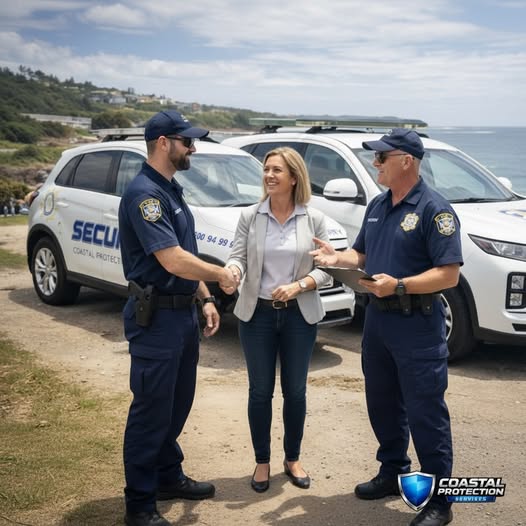
From crowd flow to emergency exits, here's what every event organiser on the Central Coast needs to review before doors open.
Related Services
Running a successful event takes more than great entertainment, food and organisation. It also requires a clear security plan that keeps attendees, staff, suppliers and performers safe.
Whether you are organising a music festival, corporate function, sporting event, community market or private event, security should be planned early. The larger the event, the more important this becomes.
Professional event security helps manage risk before, during and after the event. It also gives organisers peace of mind that trained guards are available to respond if something goes wrong.
Coastal Protection Services provides professional security support for events, businesses and properties across the Central Coast.
10-Point Security Checklist for Central Coast Event Organisers
Every event is different. A small community market will have different risks compared to a large concert or corporate function. However, the core principles of event security remain the same.
This checklist will help Central Coast event organisers plan safer, more controlled and more professional events.
1. Complete a Risk Assessment Before the Event
A risk assessment should be completed before the event date. This helps identify hazards, security concerns and emergency scenarios.
Consider the type of event, expected crowd size, venue layout and operating hours. You should also review nearby roads, parking areas, entry points and exit points.
Common event risks include:
- Crowd congestion
- Unauthorised access
- Intoxicated or aggressive behaviour
- Lost children or vulnerable attendees
- Medical emergencies
- Weather-related issues
- Vehicle movement near pedestrians
- Theft, vandalism or antisocial behaviour
A clear risk assessment allows you to plan security coverage before problems occur.
2. Hire Licensed Security Staff
Event security should always be handled by trained and licensed professionals. Security guards need the right experience to manage crowds, de-escalate conflict and respond to incidents.
For Central Coast events, organisers should make sure guards hold the correct NSW security licence. They should also be briefed on the venue, event schedule and emergency procedures.
Professional security guard hire gives event organisers access to trained guards who can manage entry points, monitor crowds and support event staff.
3. Plan Crowd Flow Management
Crowd flow is one of the most important parts of event security. Poor crowd movement can create bottlenecks, frustration and safety issues.
Entry and exit points should be clearly marked. Walkways should be wide enough for expected attendance. High-traffic areas should be monitored throughout the event.
Security staff can help manage:
- Queue control
- Entry screening
- Exit movement
- Restricted areas
- Stage or performer access
- Emergency access routes
Good crowd flow keeps people moving safely. It also reduces pressure on staff and volunteers.
4. Create an Emergency Evacuation Plan
Every event should have an evacuation plan. This plan should be simple, clear and understood by key staff.
Security guards, event managers, first aid teams and volunteers should know what to do in an emergency. They should also know where emergency exits and rally points are located.
Your evacuation plan should include:
- Emergency exits
- Assembly areas
- Staff roles and responsibilities
- Communication procedures
- Access routes for emergency services
- Procedures for people with mobility needs
A well-planned evacuation procedure can reduce confusion during a serious incident.
5. Set Up Clear Communication Systems
Good communication is essential during any event. Security staff need to contact event organisers quickly if an issue occurs.
Two-way radios are often the best option for larger events. Smaller events may use a designated phone contact or communication channel.
All key staff should know who to contact for:
- Security incidents
- Medical issues
- Lost property
- Lost children
- Weather concerns
- Site access issues
Fast communication helps prevent small issues from becoming larger problems.
6. Control the Event Perimeter
Perimeter control helps manage who enters and exits the event. It also helps protect restricted areas, equipment and staff-only zones.
Depending on the event, you may need fencing, barriers, gates, wristbands or access passes. Security guards can monitor these points and stop unauthorised entry.
Important areas to control include:
- Main entry gates
- Emergency exits
- Back-of-house areas
- Performer or VIP areas
- Equipment storage zones
- Cash handling areas
- Vehicle access points
Good perimeter control improves safety and reduces the risk of theft, disruption or overcrowding.
7. Coordinate First Aid and Medical Support
First aid coverage is a key part of event safety. Security staff should know where the first aid team is located and how to contact them quickly.
For larger events, first aid providers should be included in the security briefing. This ensures security, organisers and medical teams can work together if an incident occurs.
Security guards may be the first people to notice someone in distress. They should know how to guide attendees to first aid or call for medical assistance.
8. Review CCTV and Visibility
CCTV can support event security by monitoring key areas. It can also help review incidents after the event.
Before the event, identify blind spots and high-risk areas. These may include entry points, bars, ticket booths, parking areas and restricted zones.
Security staff should also be positioned where visibility is strongest. A visible security presence can deter poor behaviour and reassure attendees.
9. Manage Alcohol-Related Risks
If alcohol is served at your event, security planning becomes even more important. Intoxication can increase the risk of conflict, injury and antisocial behaviour.
Security guards should be briefed on alcohol management procedures. They should also understand how to respond to aggressive or intoxicated attendees.
Event organisers should work with licensed staff to support responsible service of alcohol requirements. Clear processes should be in place for refusing service, removing problem attendees and contacting emergency services if required.
10. Complete a Post-Event Debrief
Security planning should not end when the event finishes. A post-event debrief helps identify what worked and what needs improvement.
Review any incidents, near-misses, complaints or access issues. This information can help improve future events.
Your debrief should cover:
- Security incidents
- Crowd flow issues
- Communication problems
- Medical responses
- Entry and exit delays
- Staff feedback
- Recommended improvements
A good debrief helps make each future event safer and better organised.
Why Event Security Matters on the Central Coast
The Central Coast hosts a wide range of events. These include community festivals, business functions, sporting events, concerts, markets and private celebrations.
Each event brings people together. It also creates security responsibilities for organisers.
Without a clear security plan, event organisers may face crowd control issues, unauthorised access, theft, safety risks or poor incident response.
Professional security guards help reduce these risks. They provide structure, visibility and fast support when problems occur.
Types of Events That Need Security Guards
Many events can benefit from professional security coverage. This includes both public and private events.
- Music festivals and live performances
- Corporate events and business functions
- Community markets and fairs
- Sporting events
- School and university events
- Private parties and ticketed functions
- Charity events and fundraisers
- Hospitality and venue events
- Product launches and brand activations
If your event has crowds, alcohol, valuable equipment or restricted areas, professional security should be considered.
What Security Guards Can Do at Events
Event security guards can support many areas of an event. Their role should be based on the venue, crowd size and risk level.
Common duties include:
- Monitoring entry and exit points
- Checking tickets, passes or wristbands
- Managing queues
- Controlling restricted areas
- Supporting crowd movement
- Responding to incidents
- Assisting with emergency procedures
- Monitoring car parks and external areas
- Supporting staff and event organisers
- Reporting suspicious behaviour
Professional guards do more than stand at a gate. They help keep the event organised, safe and controlled.
How Many Security Guards Does an Event Need?
The number of guards required depends on the size and type of event. It also depends on the venue layout, alcohol service, crowd profile and risk level.
A small private function may only need one or two guards. A large public event may need a full security team across multiple areas.
Factors that affect security numbers include:
- Expected attendance
- Number of entry and exit points
- Whether alcohol is served
- Event duration
- Venue size and layout
- Public access areas
- Parking and traffic flow
- Risk of antisocial behaviour
Coastal Protection Services can help assess your event and recommend suitable security coverage.
Plan Security Early
Security should not be left until the last minute. Early planning helps avoid gaps in coverage and gives guards time to understand your event.
Before the event, organisers should provide:
- Site maps
- Event schedules
- Expected attendance numbers
- Emergency procedures
- Key contact details
- Access instructions
- Restricted area information
- Alcohol management details, if relevant
The more information security guards have, the better they can support your event.
Choose Professional Event Security on the Central Coast
Event security is not just about responding to problems. It is about preventing issues before they happen.
With the right security plan, organisers can create a safer experience for attendees, staff, performers and suppliers.
Coastal Protection Services provides professional security services for events and businesses across the Central Coast.
If you need trained guards for your next event, learn more about our security guard hire services.
Need professional event security for your Central Coast event? Call Coastal Protection Services on 1300 949 994.
Frequently Asked Questions
Do I need security guards for a small event?
Small events may still need security if there is alcohol, public access, valuable equipment or crowd management risks.
What does an event security guard do?
Event security guards manage entry points, monitor crowds, control restricted areas, respond to incidents and support emergency procedures.
How early should I book event security?
It is best to organise security as early as possible. This allows time for planning, site review and staff briefing.
Can security guards help with alcohol-related incidents?
Yes. Security guards can help manage intoxicated or aggressive behaviour and support venue procedures.
Do event security guards need to be licensed?
Yes. Event security guards should hold the correct security licence for the work they are performing.
Does Coastal Protection Services provide event security on the Central Coast?
Yes. Coastal Protection Services provides security guard hire and event security support across the Central Coast.
Ready to improve your security? Get in touch with our team for a free consultation.
Get a Free Consultation