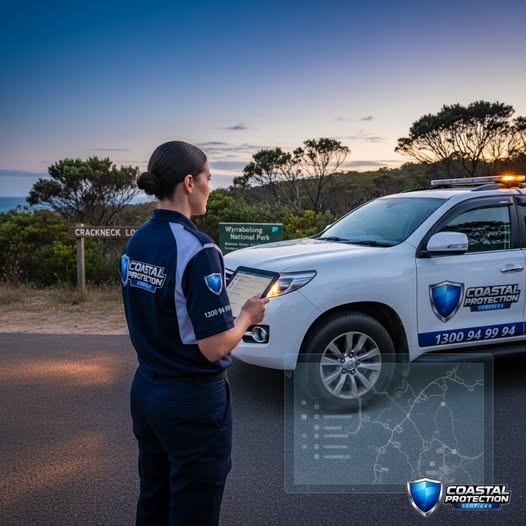
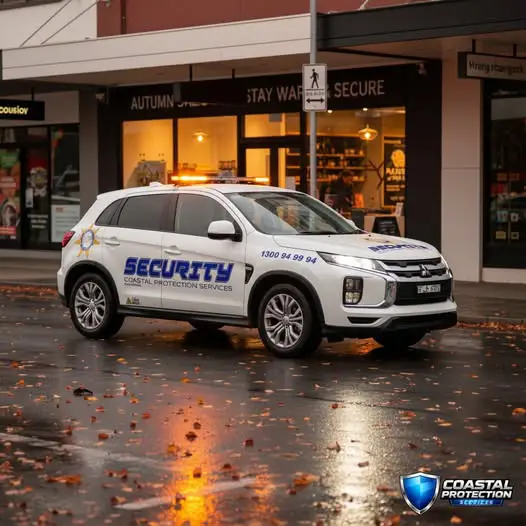
A behind-the-scenes look at what mobile patrol officers actually check during an after-hours visit — from perimeter and alarm status to car parks, lighting and written reporting.
Related Services
You lock up, set the alarm and head home for the evening. But what happens overnight at your Central Coast business premises depends on whether you have a mobile patrol service in place.
Mobile patrols are one of the most cost-effective ways to deter theft, vandalism and break-ins outside business hours. Yet many businesses across Gosford, Erina, Tuggerah and Wyong have never had a clear picture of what a patrol officer actually does when they arrive.
At Coastal Protection Services, our mobile patrol officers follow a structured, site-specific checklist on every visit. Whether your business is a retail shop in Terrigal, an office in Erina or a warehouse in Tuggerah, here's what happens behind the scenes when we arrive.
1. Perimeter and External Access Points
The first thing our officers check is the perimeter. We walk the boundary of your property, looking for evidence of forced entry, damage to fencing or gates, and any signs someone has been scoping the site.
For businesses on the Central Coast with rear access lanes or side entries — common in Erina's commercial precinct and the industrial zones around Tuggerah — these areas are often the most vulnerable and receive particular attention.
We check that:
- All gates and external doors are locked and secure
- Windows are closed and intact
- No new damage has appeared since the last visit
- Roller doors and shutters are engaged and tamper-proof
2. Alarm System Status
If your premises has an alarm, the patrol officer confirms the system is armed and responding normally. Many businesses across Umina Beach, Woy Woy and surrounding suburbs have alarms that aren't monitored — meaning if an activation occurs, no one is going to respond.
For businesses without monitored alarm systems, we strongly recommend pairing mobile patrols with professional back-to-base alarm monitoring so any activation is investigated quickly, not ignored until the next morning.
If an alarm has triggered, the patrol officer conducts a controlled external and internal sweep of your premises to ensure no intruder remains on site. They reset the alarm and report the activation to you and your alarm monitoring provider.
3. Lighting and Visibility
Poor lighting is one of the most common security gaps on Central Coast commercial sites. Our officers check that:
- Security lighting and sensor lights are functioning
- Car park lighting is operating and not tampered with
- No globes are broken or missing
- Entry paths are illuminated
If your business in Gosford or The Entrance has outdoor signage lighting, we'll also note whether it's operating — both for security and to present a 'looked-after' appearance that discourages trespass.
4. Internal and Common Area Check
Where access is permitted, officers enter the premises to conduct an internal sweep. This includes:
- Checking for signs of water damage, leaks or fire hazards
- Confirming internal doors are secured
- Verifying equipment and high-value items are in place
- Inspecting storage areas and stock rooms
- Checking that on-site safes are secured
For businesses with shared common areas — strata complexes, office suites, retail centres — the patrol includes those spaces as well.
5. Vehicles and Car Parks
Car parks are a frequent target for vandalism and theft on the Central Coast, particularly after hours when businesses are closed. Our patrol checks for:
- Vehicles left on site that shouldn't be there
- Any damage to vehicles in the car park
- Suspicious vehicles in or near the premises
- Lighting and access control functioning correctly
For larger car parks — retail centres in Erina, business parks in Tuggerah, industrial estates in Wyong — we also check that boom gates and barriers haven't been tampered with.
6. Reporting and Follow-Up
After each visit, the patrol officer completes a written patrol report noting:
- Time of arrival and departure
- Any anomalies, incidents or concerns identified
- Photos (where applicable) of any damage or suspicious activity
- Recommendations for follow-up action
This report is sent to your nominated contact — usually the business owner or operations manager — so you have a clear record of what happened overnight and any action you may need to take.
Why Structured Patrols Matter
Ad-hoc 'drive-by' checks — like an employee swinging past the office on their way home — aren't a substitute for structured patrols. They don't cover all the access points, don't include a written report and don't create a visible deterrent.
A uniformed patrol officer arriving at varying times throughout the night creates the impression of an active, watched site. That impression is the single biggest deterrent to opportunistic crime.
Combining Patrols with Other Services
For higher-risk premises — construction sites, retail with high-value stock, businesses in areas with known incident history — a combination of mobile patrols, alarm monitoring and an occasional on-site security guard provides the best coverage without the cost of a 24/7 static presence.
For most Central Coast businesses, however, a structured mobile patrol service — three to five nights a week, with additional visits over weekends — is enough to dramatically reduce the risk of after-hours incidents.
Planning Your Mobile Patrol Service
Every business is different. A retail store in Terrigal has different after-hours risks to a warehouse in Wyong or an office in Gosford. When we set up a mobile patrol service, we work with you to:
- Identify the high-risk areas on your site
- Agree on a patrol checklist tailored to your premises
- Determine the right frequency and timing of visits
- Set up reporting to your preferred contact
To arrange a free mobile patrol assessment for your Central Coast business, contact Coastal Protection Services today.
Frequently Asked Questions
What does a mobile patrol officer actually do during a visit?
A mobile patrol officer conducts a structured check of your premises, including perimeter, access points, alarm status, lighting, internal areas, car park and any other agreed zones. Each visit ends with a written patrol report.
How long does a mobile patrol visit take?
Most after-hours patrol visits take between 15 and 30 minutes, depending on the size and layout of your premises. Larger sites in Tuggerah or Erina industrial estates may take longer.
Can a mobile patrol officer respond if my alarm goes off?
Yes. If you have alarm monitoring through Coastal Protection Services, our monitoring centre can dispatch the nearest mobile patrol officer to investigate any alarm activation at your premises.
How often should I schedule mobile patrols?
Most Central Coast businesses benefit from patrols three to five times per week, with additional coverage on weekends and public holidays. Higher-risk premises may require nightly patrols.
Ready to improve your security? Get in touch with our team for a free consultation.
Get a Free Consultation